
The 798 Art District in Beijing is one of the city’s most popular tourist attractions, located in the Dashanzi area of the Jiuxianqiao Subdistrict in Beijing’s Chaoyang District, and is therefore also known as the Dashanzi Art District.
Originally, this was a complex housing the 798 Factory and other Soviet-funded projects. Later, the factories were relocated to the outskirts of Beijing. The area’s unique architectural style and affordable rent attracted a large number of artists and studios.
The 798 Art District spans approximately 600,000 square meters and features galleries, studios, graffiti walls, and more. Strolling through the area evokes a unique artistic ambiance. Today, the factory has been divided into six zones, including exhibition spaces, leisure areas, and old factory-themed bars and restaurants. If you have sufficient time, we highly recommend visiting to experience the artistic atmosphere here.
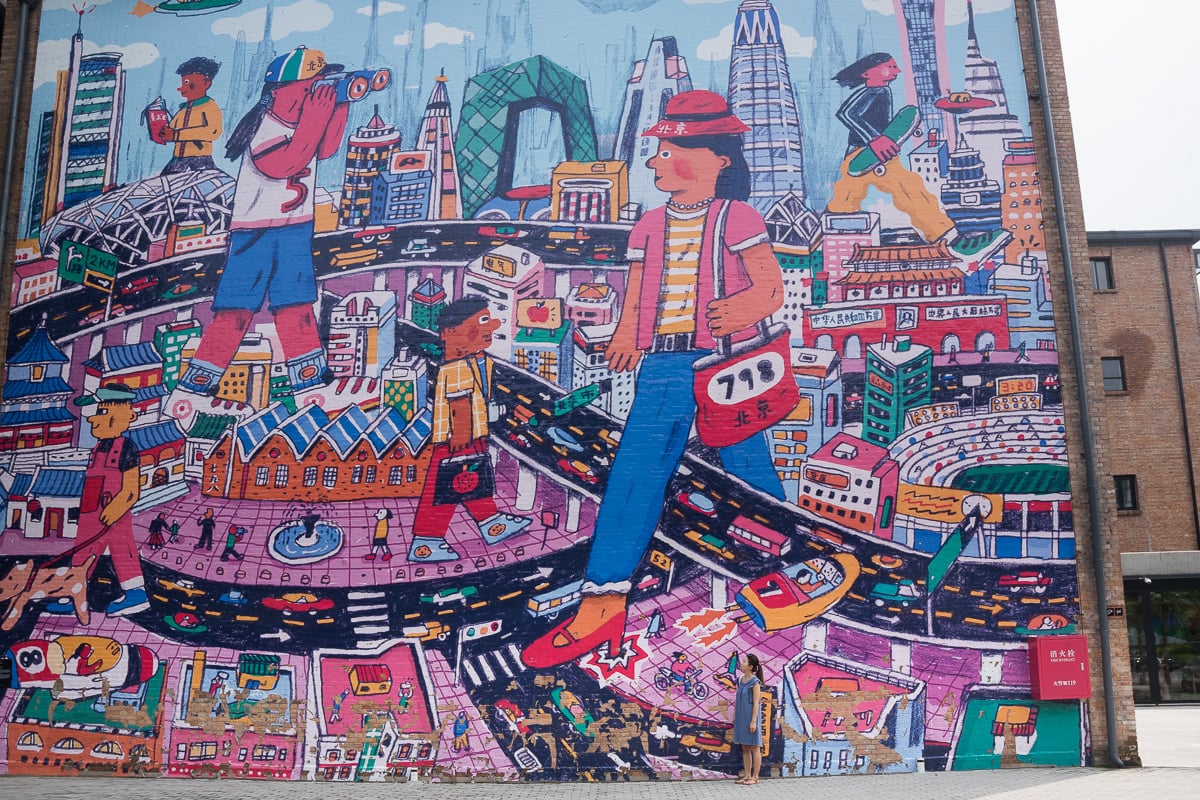
Overview of 798 Art Zone
The 798 Art District is located in Beijing, China, and is a key landmark for contemporary Chinese art. This factory, built in the 1950s, has now become an important tourist attraction for understanding Chinese culture.
It is home to nearly 200 galleries and art centers from countries such as the United States, France, and Germany, as well as unique studios, cafes, and creative markets. It is a great place to stroll around and enjoy modern culture and art.
798 Art District Details:
- Address: Located in the Dashanzi area of Jiuxianqiao Street, Chaoyang District, Beijing.
- Opening Hours: The 798 Art District is open 24/7, but many galleries and exhibition halls within the district are open from Tuesday to Sunday, typically from 10 AM to 6 PM.
- Admission: There is no admission fee for the entire art district, but some galleries and special exhibitions may charge separate fees.
- Highlights: The UCCA (Ullens Center for Contemporary Art), Bahrain Cultural Center, and Persian Cultural and Art Center are all worth visiting.
- Recommended Stay: It is recommended to allocate 2 hours to half a day for a leisurely exploration.
- Best Suited For: Especially suitable for artists, cultural and artistic enthusiasts, and Beijing tourists.

The History of the 798 Art District in Beijing
The story of the 798 Art District dates back to the 1950s. At that time, it was the 718 Joint Factory, built with Soviet assistance, which primarily produced radio components, vacuum tubes, and other products. Later, as the city underwent redevelopment, these factories were relocated to the suburbs.
In 2001, artists Huang Rui and Xu Yong discovered these large factory buildings. Due to the low rent, they leased a 1,200-square-meter old workshop, converted it into a studio, and retained the original factory style (German Bauhaus architectural style). Over time, nearly a hundred artists began painting, sculpting, and performing art here. Rusted boilers became installation backdrops, and abandoned conveyor belts were repurposed as exhibition stands. Gradually, the area attracted numerous galleries, art centers, and artist studios, transforming into a “cultural and creative industrial park.”
In 2003, the Beijing 798 Art District was named one of the 22 most culturally iconic urban art centers in the world by Time Magazine.
The area hosts over 4,000 cultural and artistic events annually and attracts tens of millions of visitors worldwide, including former German Chancellor Gerhard Schröder, International Olympic Committee President Jacques Rogge, and renowned artists such as Yayoi Kusama and Damien Hirst, who have all visited the 798 Art District.
798 Art District Attractions and Activities
When visiting the 798 Art District, these landmarks and activities are not to be missed:
1. UCCA Center for Contemporary Art
The core landmark of the 798 Art District, consistently ranked at the top of “must-visit lists.” This 8,000-square-meter space, converted from a Bauhaus-style factory, features both large-scale installation art galleries and the UCCA Kids Workshop, suitable for parent-child interaction. Opening hours: Tuesday to Sunday 10:00-19:00 (closed on Mondays); Admission: Regular exhibitions 80-120 RMB; Highlights: Quarterly international exhibitions + art film screenings; the iconic sculpture at the entrance is a popular photo spot.

2. Tokyo Gallery BTAP
One of the first international galleries to establish a presence in 798, housed in an old factory building on Ceramic Third Street. Focuses on joint exhibitions of contemporary art from China, Japan, and South Korea, with industrial-style exhibition halls creating a stark contrast to the delicate artworks. Opening hours: Tuesday to Sunday 10:00-18:00; Admission: Free (except for special exhibitions); Highlights: Regularly hosts artist meet-and-greets, suitable for seriousart enthusiasts.
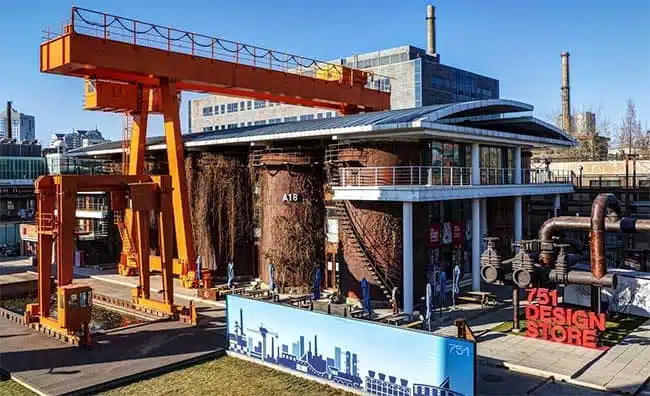
3. 751 Locomotive Square
This is a retro-style photography hotspot, with 1970s steam locomotives and green-painted train carriages still “on standby,” and graffiti covering the red-brick factory walls alongside the tracks. Open all day, free admission; best time for photography: at sunset, when the light filters through the factory skylights onto the tracks, creating a magical atmosphere.

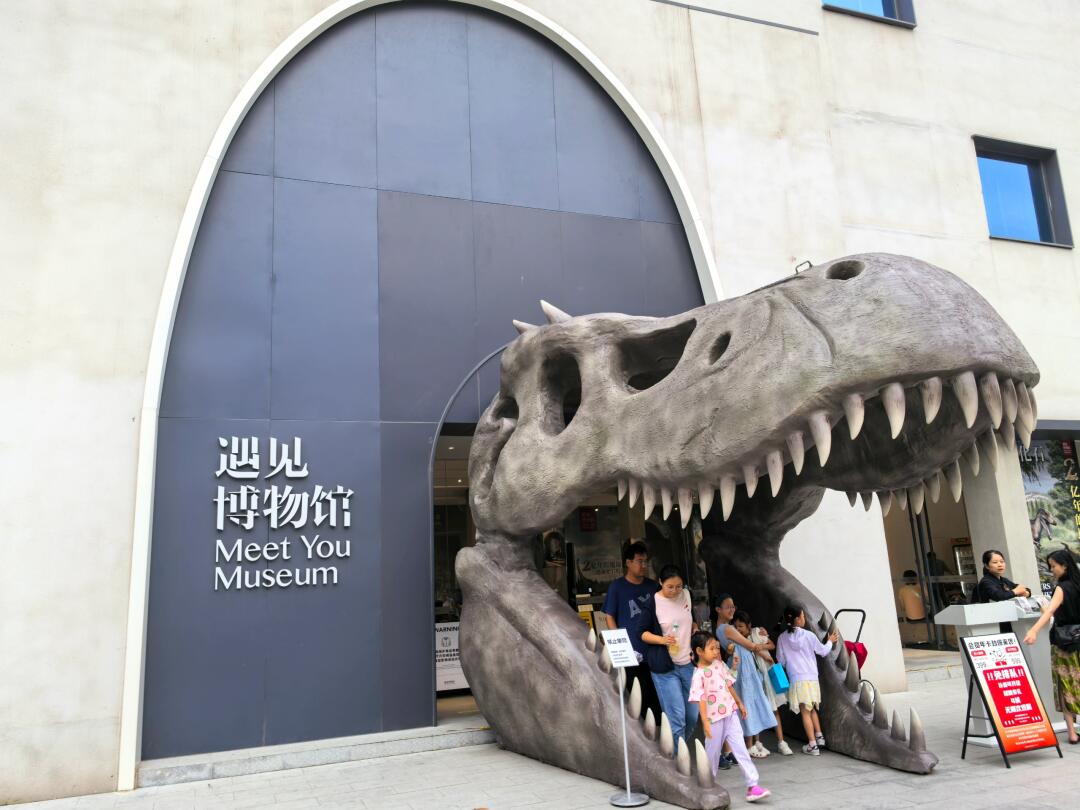
4. Encounter Museum
A large venue featuring “immersive exhibitions,” this 5,500-square-meter space regularly hosts themed exhibitions such as Dunhuang murals and the Renaissance, using digital projection technology to recreate artistic scenes. Opening hours: Tuesday to Saturday, 10:00 AM to 6:00 PM; admission: 120-180 yuan; suitable for: families with children and art beginners.
5. 798 Art Festival (Annual Event)
Held annually in late September, lasting for one month. The entire art district transforms into an open-air exhibition hall, with street graffiti, improvisational theater, and live music performances taking place simultaneously. Some venues extend their opening hours until 9:00 PM. Participation method: Free admission (some special exhibitions require payment); Tip: Check the official website in advance to secure limited spots for artist workshops.
6. Street Art and Niche Spaces
Qixing East Street Graffiti Wall: The theme is updated monthly, ranging from cyberpunk to traditional ink painting styles, and is free to the public;
Metal Warehouse Art Space: Converted from an old warehouse, it regularly hosts independent designer markets, offering handmade jewelry and original clothing at reasonable prices;
Temporal Space: Features a giant industrial pipe installation and light show, becoming a popular Instagram spot after dark.
Practical Tips: Most venues are closed on Mondays; it is recommended to visit from Tuesday to Sunday. A single-day visit is recommended to take 3-4 hours; wear comfortable sneakers (the area has many cobblestone streets).
How to get to the 798 Art District
Distance and driving time to nearby important locations
Approximately 16 kilometers from the Forbidden City, about 50 minutes by car;
Approximately 18 kilometers from Beijing Capital International Airport, about 40 minutes by car;
Approximately 63 kilometers from Beijing Daxing International Airport, about 80 minutes by car.
Public Transportation Guide
Bus Travel
Take buses N401, 402, 405, 445, 909, 946, 955, 973, 988, or 991, get off at Dashanzi Road South Station, and walk to the destination.
Subway Transfer
- Take Line 1 to Sihui Station, then transfer to Bus 402 or 405 to Dashanzi South Station;
- Take Line 10 to Liangmaqiao Station, then transfer to Bus 402, 405, or 909 to Dashanzi South Station;
- Take Subway Line 14 to Wangjing South Station or Gaojia Yuan Station, then walk to the art district;
- Take Subway Line 15 to Wangjing South Station, then transfer to Bus Route 445 to Dashi Zi Lu Kou Nan Station.
Frequently Asked Questions About the 798 Art District
Q: What is the 798 Art District famous for?
A: It is renowned for its transformation of industrial heritage. The Bauhaus-style factory buildings from the 1950s have been converted into art spaces, where industrial aesthetics collide with contemporary art, making it an internationally recognized landmark of Chinese contemporary art.
Q: Is the 798 Art District worth visiting?
A: Yes, it is. Art enthusiasts can enjoy the UCCA major exhibitions, photographers will appreciate the street graffiti and old factory buildings, and families can participate in hands-on workshops. The diverse experiences cater to all types of visitors.
Q: What are the opening hours and ticket prices for the 798 Art District?
A: The art district is open all day. Most galleries operate from Tuesday to Sunday, 10:00 AM to 6:00 PM. Entry is free, but special exhibitions like the UCCA new exhibition may charge fees. Students often enjoy half-price admission.
Q: Are there any special events or festivals at the 798 Art District?
A: The September Art Festival is the highlight, with the entire district transformed into an exhibition space; weekends feature creative markets and street theater; and on the last Friday of each month, “Night Tour of 798” extends gallery hours until 10:00 PM.
Q: Any restaurant recommendations in the 798 Art District?
A: Temporal Space Café: Old machine tool tables, lattes shaped like factory outlines; Xiao Wan Dining Hall: Sichuan cuisine paired with art prints, with artists’ signatures on the walls.